Which booking system suits a cottage shows in the questions you ask before you look at the price list. Most cottage owners have one or two properties, no reception desk, and handle bookings in the evening after work. So you want a system that saves time and owes nothing to the law or to the guest.
We go through five questions: where your guests come from, what has to happen on the day of a booking, what the law expects of you, what it costs per year, and what happens to your data if you leave.
How a booking in Chalupario looks, from picking dates to a paid deposit
Where your guests come from decides which booking system for a cottage you need
Guests reach you in three ways: through a portal, through e-mail and phone, or through your own website. Most cottages use all three. The difference is who holds the contact with the guest, who the money belongs to, and how much of each booking leaves your account.
| What you need | Portal only | Spreadsheet and e-mail | Own website with a system |
|---|---|---|---|
| You hold the guest contact | ✗ | ✓ | ✓ |
| No commission on each booking | ✗ | ✓ | ✓ |
| Deposit and documents issue themselves | ✗ | ✗ | ✓ |
| Double-booking protection across portals | ✗ | ✗ | ✓ |
| A booking goes through without your manual work | ✓ | ✗ | ✓ |
| You take your data with you when you leave | ✗ | ✓ | ✓ |
Portals bring in guests and there is no reason to leave them. They usually take 15 to 20 % of each booking, so it pays when guests who already know you book directly. A good system therefore does both: it takes bookings from your website and exchanges calendars with the portals so a date is not sold twice.
What the system must do on the day a guest books
A booking is not finished when the guest picks a date. It is finished when they have a confirmation, know how much to send as a deposit and where to, and you know it arrived. Ask each system how much of that it does on its own.
It should show the guest the price, including surcharges and discounts, before they submit. After submitting, the guest should get the account number, variable symbol, deposit amount and due date, ideally with a QR code for the banking app. It is wise to release an unpaid booking back to sale after a while, otherwise a guest who changed their mind keeps blocking your date.
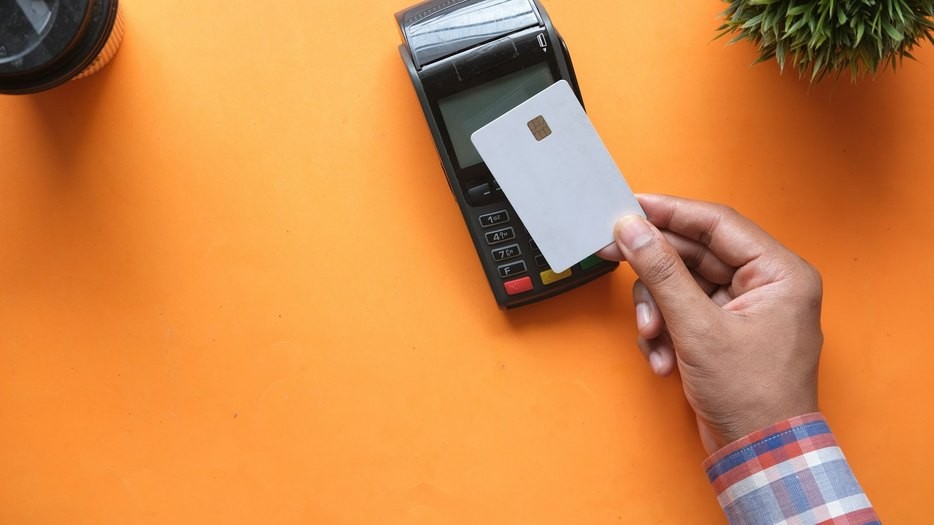
Also check how a payment is matched to a booking. If you have to look for it in a statement and confirm it by hand, you lose exactly the time you meant to save. Does the system understand how you get paid, that is by bank transfer, or by card too?
What the law expects of you and what the system should do about it
The law does not care whether your website looks nice. It wants a correctly issued document for every stay, a record of the tourist tax and your records kept for the prescribed period. A system that does not know this will not reduce your paperwork, only move it to the evening before the deadline.
Find out what it does with the tourist tax: whether it calculates it from the actual number of people and nights, whether it applies exemptions, and whether it shows it correctly on the invoice, outside VAT. We cover this in detail in the article on tourist tax exemptions and remittance.
Ask the same about documents. A deposit invoice, a document for a received payment and the final invoice after departure each have their own rules, and those differ for VAT payers and non-payers. What a document must contain is covered in the article on the accommodation invoice. Under § 35 of the VAT Act, paragraph 2, you keep the documents you issue for ten years from the end of the tax period.
What a system costs per year once commission is counted
Do not compare prices by the monthly fee. Compare what leaves in total over a year: the system fee, commission on bookings and any card payment fees. Commission is a share of volume, so the better your rentals do, the more you hand over.
You can work it out on your own numbers: yearly booking revenue times the commission percentage. A fixed price per property does not change with revenue, whether few bookings come in or many.
Chalupario is paid as a fixed amount per property and month, with no commission on stays, and it is free until the first booking. A card payment goes straight to your account at the payment processor, and its fee is between you and them. You will find the current price on the pricing page.
What happens to your data and whether it works from your phone
Ask about leaving before you buy. Documents, calendar and guest list are yours and you should get them out in a readable form. In Chalupario you can download the whole document archive as a ZIP: confirmed PDFs by year, the invoice register as CSV and the tourist tax record book.
The last question is practical. You often deal with the cottage from the car, from the forest or over the fence to a neighbour. Check that the overview of arrivals and free dates works in a phone browser, with no installation, and that you can answer "are you free next weekend?" when you are not at a computer.
Summary
- Portals bring in guests, your own website with direct bookings saves commission, and a spreadsheet is free but you do everything by hand.
- On the day of a booking the system should show the price, send payment details and match the paid deposit by itself.
- The law wants correct documents, a record of the tourist tax and ten years of document retention.
- Compare cost per year including commission, not the monthly fee.
- Before you buy, check how you get your data out and whether the system works on a phone.
What to do now
- Add up how much you paid in commission over the last year.
- Write down the five questions from this article and ask them of every system you are considering.
- Try a booking from the guest's side yourself before you offer it to real guests.